
Forum
Market
- Martini Henry hylser
- Diesett: Jarmann og 43 mauser
- Swiss Match
- Ekstraktor
- 1873 Winchester
- Krag Petersson bajonett 302
- Parker Hale Volenteer 451 3 bånd
On this day
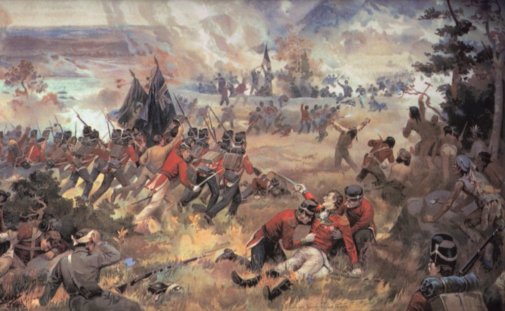
13 October 1812
The Battle of Queenston Heights was the first major battle of the War of 1812 between Britain and the United States. It was fought near Queenston in present-day Ontario and ended in a British victory. Supported by militia and Mohawk warriors, the... Read more ...
The Battle of Queenston Heights
The Battle of Queenston Heights was the first major battle of the War of 1812 between Britain and the United States. It was fought near Queenston in present-day Ontario and ended in a British victory. Supported by militia and Mohawk warriors, the British inflicted heavy losses on the Americans, who suffered about 100 killed, 170 wounded and 835 captured. British losses were much lower.
Featured article

Norwegian mountain man Jo Tjøstolsson Kleppe (1794–1884), also known as Jo Gjende, was a legendary reindeer hunter. A hermit for the better part of his life, he lived a lonely life in his cabin at Gjendeosen in Jotunheimen (The Home of the Giants) – a mountainous area in southern Norway. He spent his time hunting and reading books by the Age of Enlightenment\'s great philosophers, such as Voltaire and Volney. Known as a character and a crack rifle shot, Jo Gjende supposedly killed between 500 and 600 reindeer.
Reindeer hunter Jo Gjende and his rifles
Sharpening Dull Flints
 About
About Les artikkel på norsk
The illustration shows
how to sharpen a flint.
Find out more!
You can learn more on how to make the most of your flintlock in the brand new book From Musket to Metallic Cartridge: A Practical History of Black Powder Firearms.
A more simple method is to use a small brass hammer or the spine of a knife to sharpen the flint. This is my preferred method for sharpening flints. Tap the knife spine lightly on the top of the flint edge when the flint is secured in the jaws of the cock. Flakes will fall off and sharpen the flint.
Flints cannot be sharpened forever, and you eventually will have to replace it, but sharpening it by using the methods described above increases the service life of your flints.